Temple Removals in Temple

Temple removals in Temple should feel organised, careful and straightforward, with the right support for moving household items, furniture and everyday belongings in a way that suits the property and the schedule. Our removal service is built around practical help for local moves, whether you are leaving a flat, a family home or a small office setup. The aim is to keep the process clear from the first enquiry to the day the move is completed, while focusing on safe handling and sensible planning.
We provide removal services for customers who need a dependable way to move belongings without turning the day into a series of separate jobs. That can include lifting, loading, transport and unloading, along with additional support such as packing materials or staged collection where needed. If you are comparing options, the most useful starting point is to match the service to the size of the move, the access at each property and the type of items that need attention.
The service can suit a simple single-property move or a more involved relocation where several rooms, bulky furniture or specialist items are involved. For some customers, the most useful choice is a straightforward removals option that keeps everything under one arrangement; for others, a more specific page such as home moves or flat removals better matches the type of property and the amount of planning required. If you are ready to compare options, please request a quotation.
House and flat removals
Our house and flat moving work is designed to handle the practical steps that make a move run smoothly. That includes carrying furniture carefully through halls and stairways, protecting items that need extra attention and loading in a way that keeps heavier pieces stable. When a home move involves mixed rooms and different sized belongings, the important part is not rushing; it is arranging the load so that items are handled in a sensible order and placed where they can be reached safely at the other end.
Different properties call for different methods. A ground-floor house move may be quite direct, while a top-floor flat can require more thought around access, parking and carrying distances. If you need a service that is specifically suited to apartment access or shared entrances, flat removals can be a better fit than a general description. For house moves with more furniture and broader household contents, house removals gives a more focused route through the available choices, while still keeping the work centred on practical moving support.
Good removal work also depends on how the items are prepared. The most useful preparation is usually simple: separate what is staying from what is moving, keep important documents and valuables with you, and make sure fragile belongings are identified before loading begins. If you want extra help before the moving day, packing support can make the handover easier. Packing and unpacking services are useful where a customer wants more than transport alone, while packing and boxes is a practical option when you need materials as well as packing guidance.
Commercial moves and office relocation

Commercial relocation needs a different rhythm from a domestic move because desks, chairs, files, equipment and storage units often have to be moved with minimal disruption to normal operations. Our commercial moving support is intended to keep that process structured, with attention to access routes, item labelling and the order in which furniture and equipment leave the building. The focus is on making sure the essentials are handled in a workable sequence so the move feels controlled rather than improvised.
Office work often benefits from a clear split between transport and setup decisions. A business may need a service that moves furniture and boxed records, but it may also need help understanding the scale of the job before the day arrives. For that reason, pages such as office removals and office relocation services are useful where the move involves workplaces rather than homes. They also help customers think about access, timing and the order of tasks before anything is lifted or loaded.
When preparing for a business move, it is sensible to keep the information specific and practical. Tell us which items are staying in use, which need dismantling, and whether there are lifts, stairs or shared entrances to consider. If you are comparing commercial options, you can also look at commercial moves for a broader overview of workplace relocation work. For projects where a vehicle and driver are the main requirement, man and van or man with van can suit smaller business collections, while larger jobs often need a fuller moving arrangement.
Packing, loading and careful handling
Packing is one of the most important parts of a removal because the way items are prepared has a direct effect on how they travel. Strong boxes, proper sealing and sensible grouping of contents all reduce the chance of damage and make unloading easier at the destination. Our support can include packing work for household and office items, as well as a more selective approach when a customer only needs certain fragile or awkward belongings packed professionally.
Some moves benefit from partial packing, where the customer handles everyday items and we deal with breakables, artwork, lamps, electronics or other pieces that need a steadier method. In other cases, full packing is the better choice because it saves time and keeps the move consistent. For a clearer breakdown of those options, packing and unpacking services is a useful page to review, and if you are mainly looking for materials and guidance then packing and boxes gives a more direct route to that part of the service.
Loading is another stage where good judgement matters. Heavy items should be placed with stability in mind, and lighter or more delicate belongings should not be crushed or left loose. This is especially relevant for furniture with glass, shelving that has been dismantled or boxes containing mixed items. If you are planning a move with furniture that needs particular care, you may find furniture removals more relevant than a generic moving page, because it points to the handling of individual pieces rather than the move as a whole.
Items that need extra care

Not every removal contains the same mix of items, and certain belongings call for a more cautious approach. Pianos, for example, need careful positioning and secure handling because of their weight, shape and sensitivity to impact. Large sofas, wardrobes and cabinets may also need dismantling or careful turning through tight routes. When a move includes one or more awkward pieces, it helps to identify them early so the right method and equipment can be planned in advance.
Specialist handling matters just as much for items that are valuable, sentimental or unusually awkward to carry. A piano removals page is the most relevant option where that instrument is part of the move, while furniture pick up may be more suitable for a single-item collection or a small number of pieces. These pages help customers choose the right level of help without overcomplicating the job. If items need storage between collection and delivery, that can also be discussed alongside the move.
For the customer, the most useful preparation is to flag anything that might alter the handling method. That may include furniture that cannot be separated easily, items with fragile surfaces, or belongings that are too heavy for stairs alone. Mentioning these points early keeps the move practical. If you have a mixed load and are unsure which service type fits best, you can still start with a general enquiry and explain the items in your own words. Please request a quotation.
Storage and timing options

Sometimes a move does not end with direct delivery from one place to another. Storage can be useful when completion dates do not match, when a property is not ready, or when belongings need to be kept safe while other arrangements are settled. Our storage option is part of the wider removals picture and can support customers who need flexibility around timing rather than a fixed same-day handover.
Timing also matters for collections that need to happen at a particular point in the day or where access is restricted. Smaller moves may be manageable with a simple vehicle-and-loader arrangement, while larger or more complicated moves may need a fuller schedule with more time allowed for loading and unloading. If you need a quicker turnround because your moving window is limited, the page for same-day removals may be relevant, provided it fits the practical reality of your move and the amount of furniture involved.
How to plan a clearer quotation
A useful quotation begins with clear details rather than guesswork. The main things to set out are the size of the property, the type of items to be moved, the access at both ends and any special handling requirements. If parking is limited, stairs are involved or some furniture needs dismantling, those points should be included because they can affect the time and labour needed. A straightforward description gives the most accurate basis for a quote and helps avoid unnecessary back-and-forth.
It is also helpful to group the move into a short list of priorities. For example: essential furniture, boxed household items, fragile belongings and anything that needs storage or specialist handling. That kind of summary makes it easier to shape the work around the real job rather than a vague average. If you are comparing service levels, pricing and quotes is the most relevant page for understanding how enquiries are handled, while contact us is the place to start when you are ready to provide your details.
Before asking for a price, take a moment to decide whether you need transport only or a fuller service with packing, loading and unloading included. The choice affects both the structure of the job and the information needed to price it sensibly. For many customers the simplest route is to keep the enquiry focused on what is moving, where it is going and how much help is needed. If that sounds like your situation, please request a quotation.
About Temple
Temple is a district in central London, lying on the north bank of the River Thames between Blackfriars to the east and the legal and civic heart of the city to the west. It takes its name from the Knights Templar, whose medieval estate occupied land in the area before the suppression of the order in the early fourteenth century. Today Temple is known for the Temple Church, the Temple Inns of Court and a distinctive network of streets and courtyards that preserve a quieter, more enclosed character than many neighbouring parts of the capital. The district forms part of the wider legal quarter, with long associations with barristers, chambers and law-related institutions. Its setting near the river gives it a strong sense of place, while nearby Embankment, Fleet Street and the surrounding city streets connect it to some of London’s most recognisable historic routes. Parts of the area are carefully managed and architecturally coherent, with buildings and spaces that reflect centuries of layered development rather than a single modern plan. Even in the midst of central London, Temple retains a measured atmosphere shaped by its institutions, private gardens and the circulation of pedestrians rather than heavy traffic. The district is also notable for its proximity to the Thames Path and for the contrast between its formal legal buildings and the open river landscape just beyond the embankment walls.
Furniture moves, man and van support and flexible collection
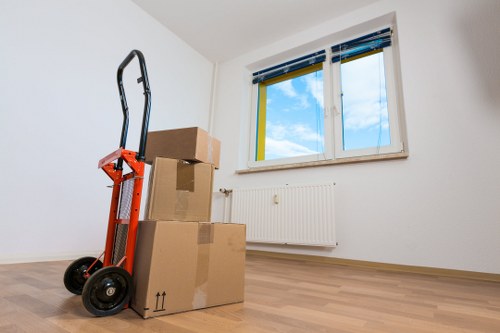
Some customers do not need a full household relocation; they need a focused move for one room, a handful of items or a short-distance collection. In those cases, a smaller service can be the best fit because it gives the same careful handling without the scale of a large move. That is where man with a van, man with van and moving truck pages may be useful, depending on how much assistance and capacity the job requires.
Furniture collections can also be arranged around specific items, such as a sofa, table, bed frame or storage unit. When the job is more about collecting and delivering individual pieces, furniture pick up and furniture removals provide a better description of the task than a general home move page. The benefit of choosing the right wording is that it helps the quotation match the real work, especially when the item is large, awkward or needs more than one person to move it safely.
If you are unsure which route fits best, start with the simplest description of the items and the access at each end. You do not need to make the enquiry sound technical; what matters is that the move can be understood clearly. For households, landlords, tenants and businesses alike, the same principle applies: give the practical details, let the service be matched to the job, and ask for the quotation when you are ready to proceed.